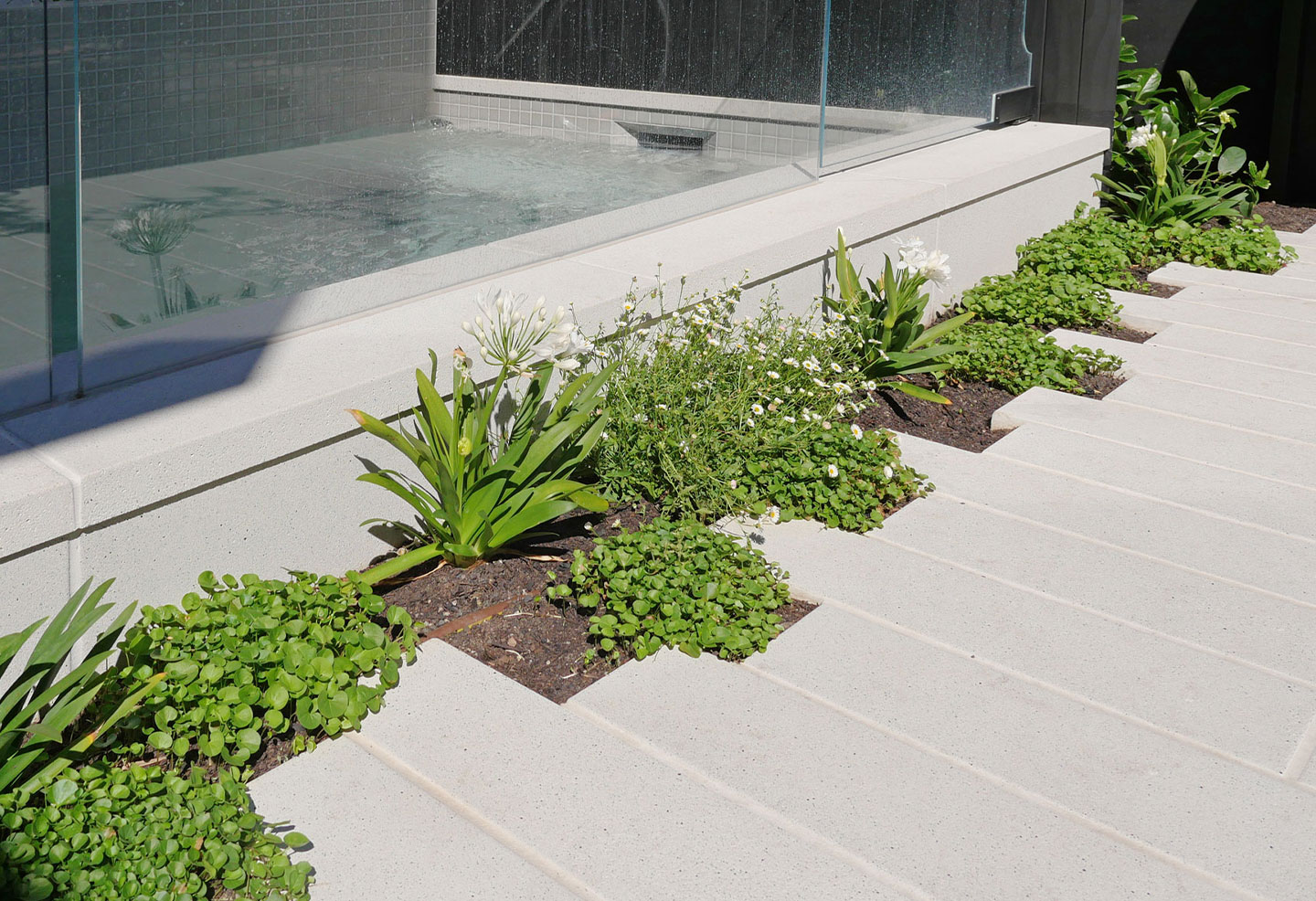
Pool Pavers
DURABLE SWIMMING POOL PAVERS
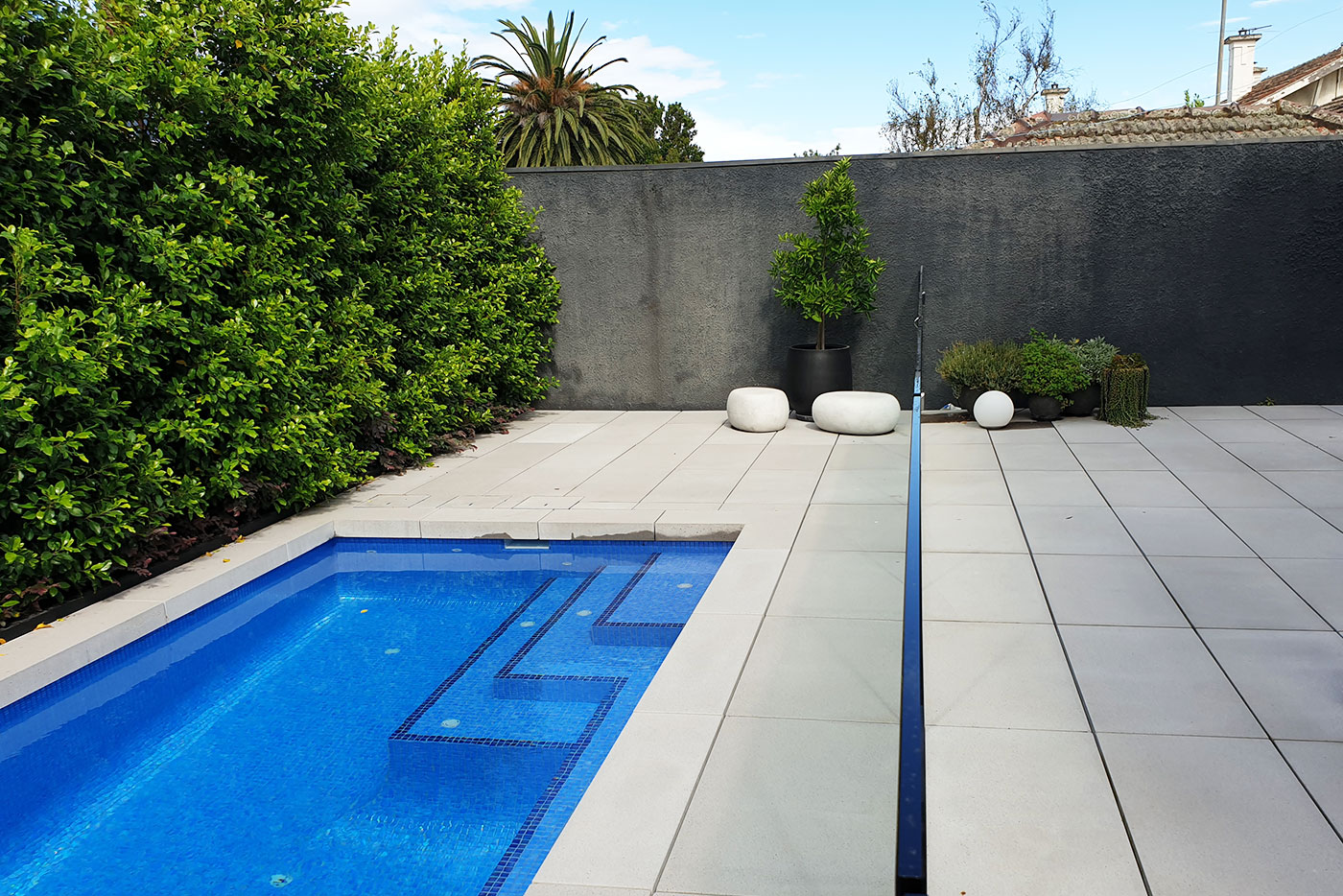
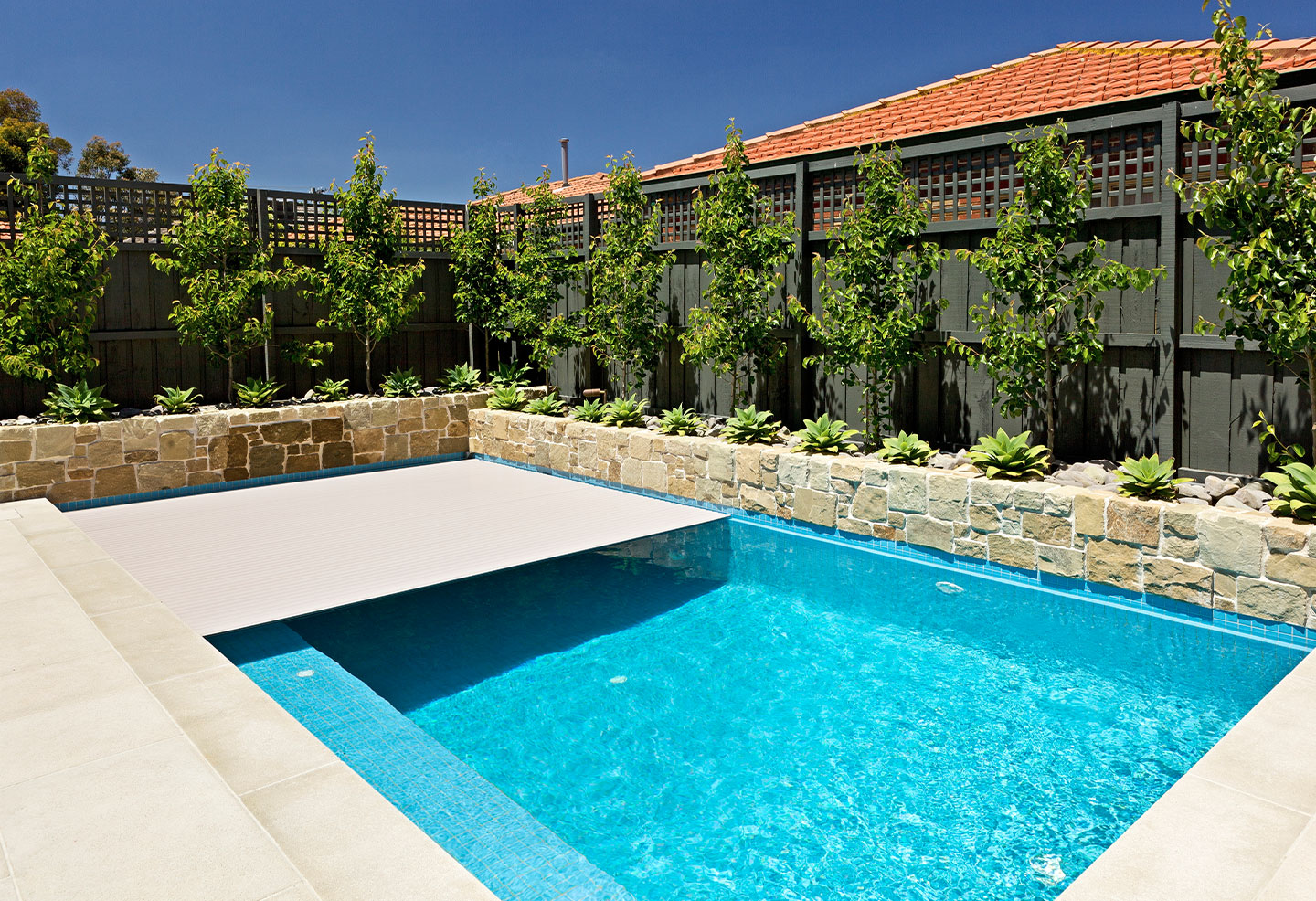
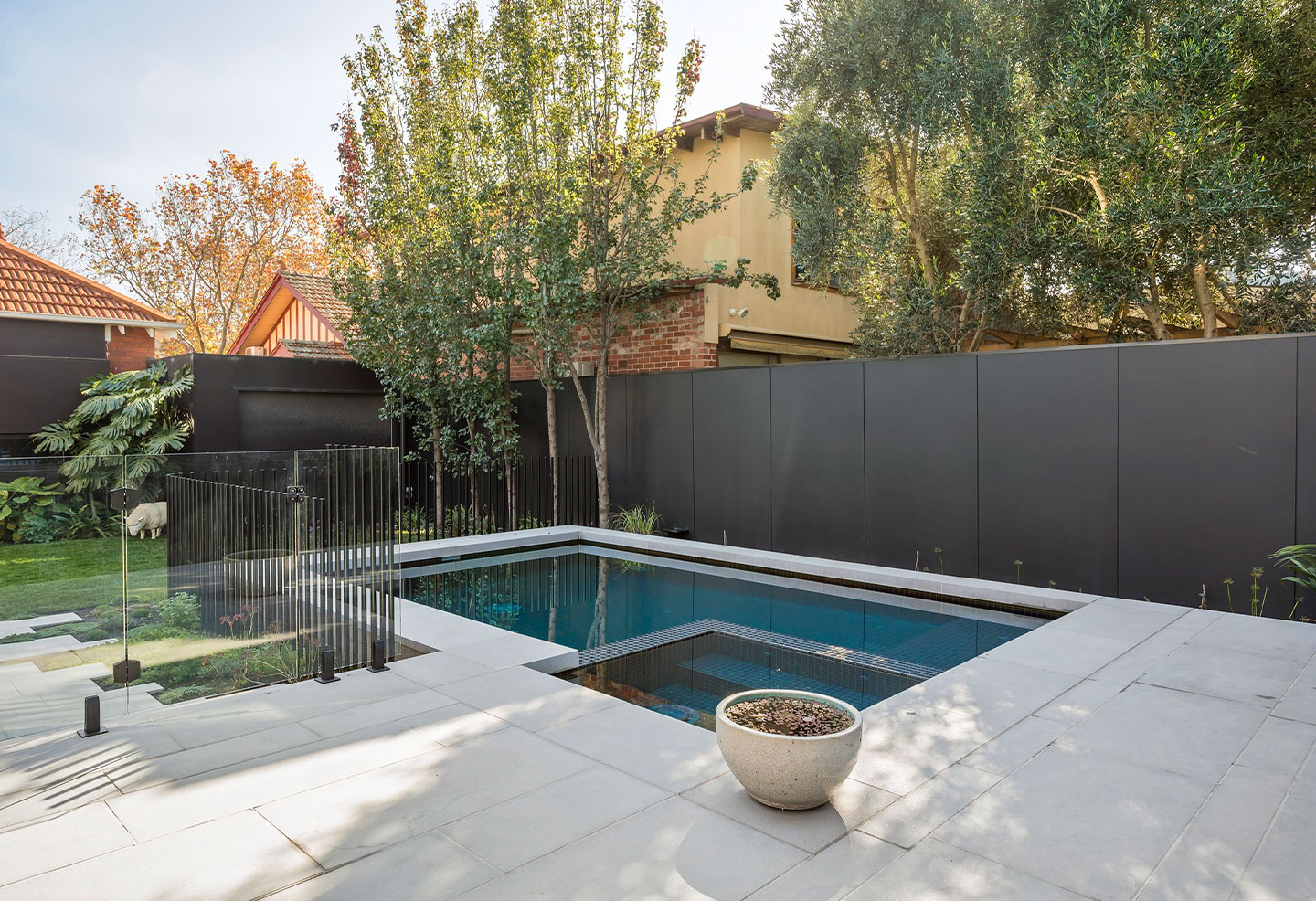
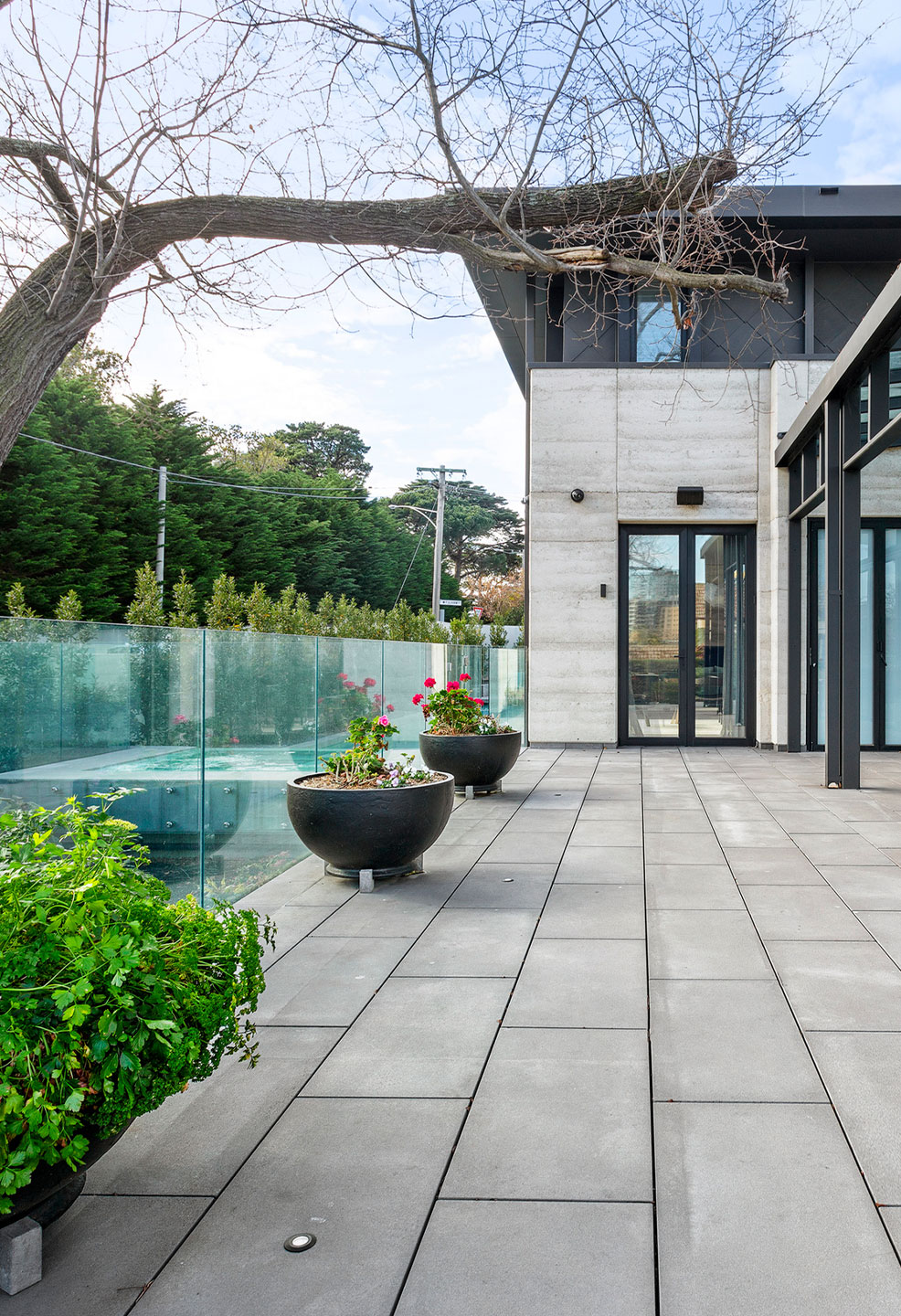
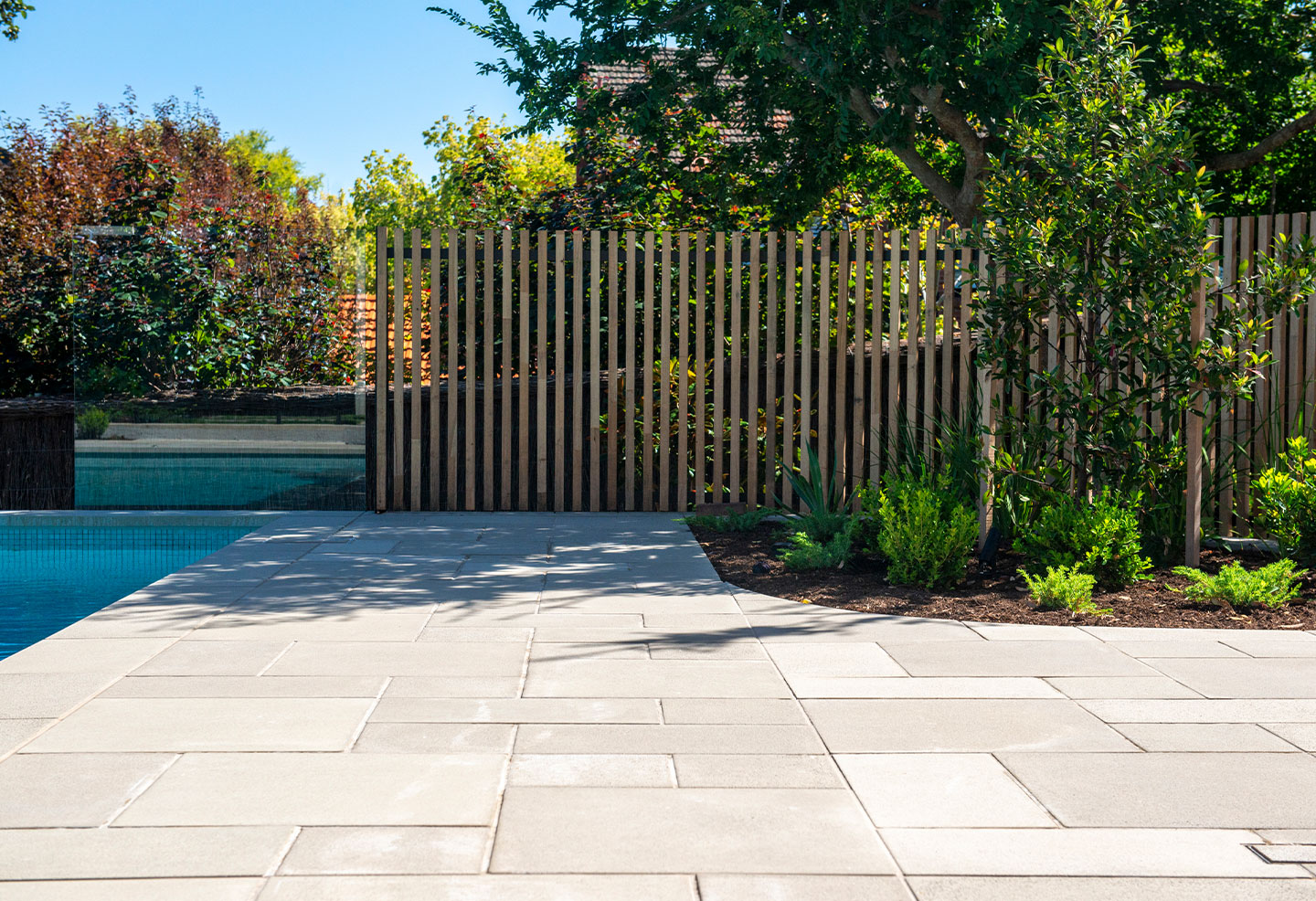
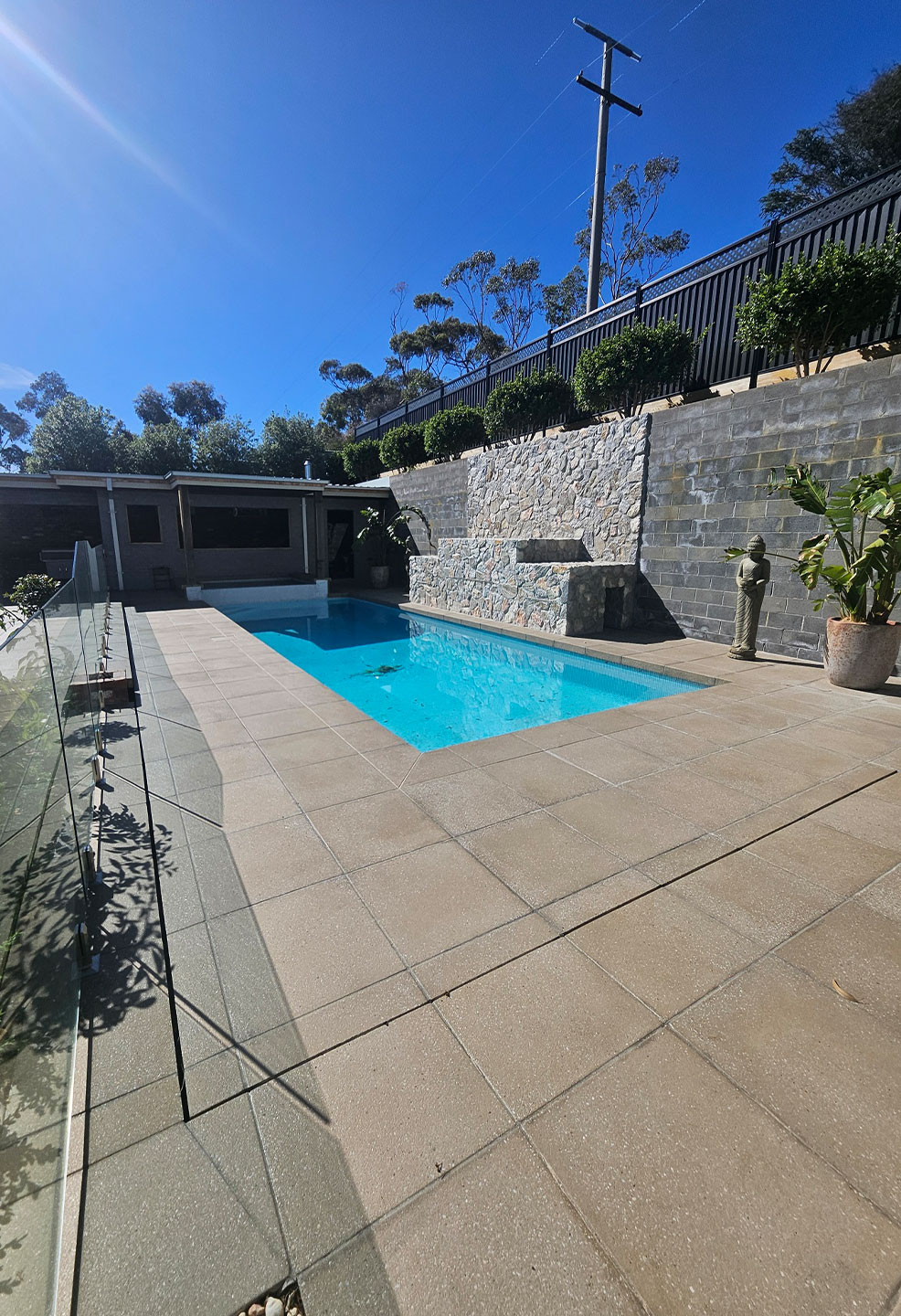
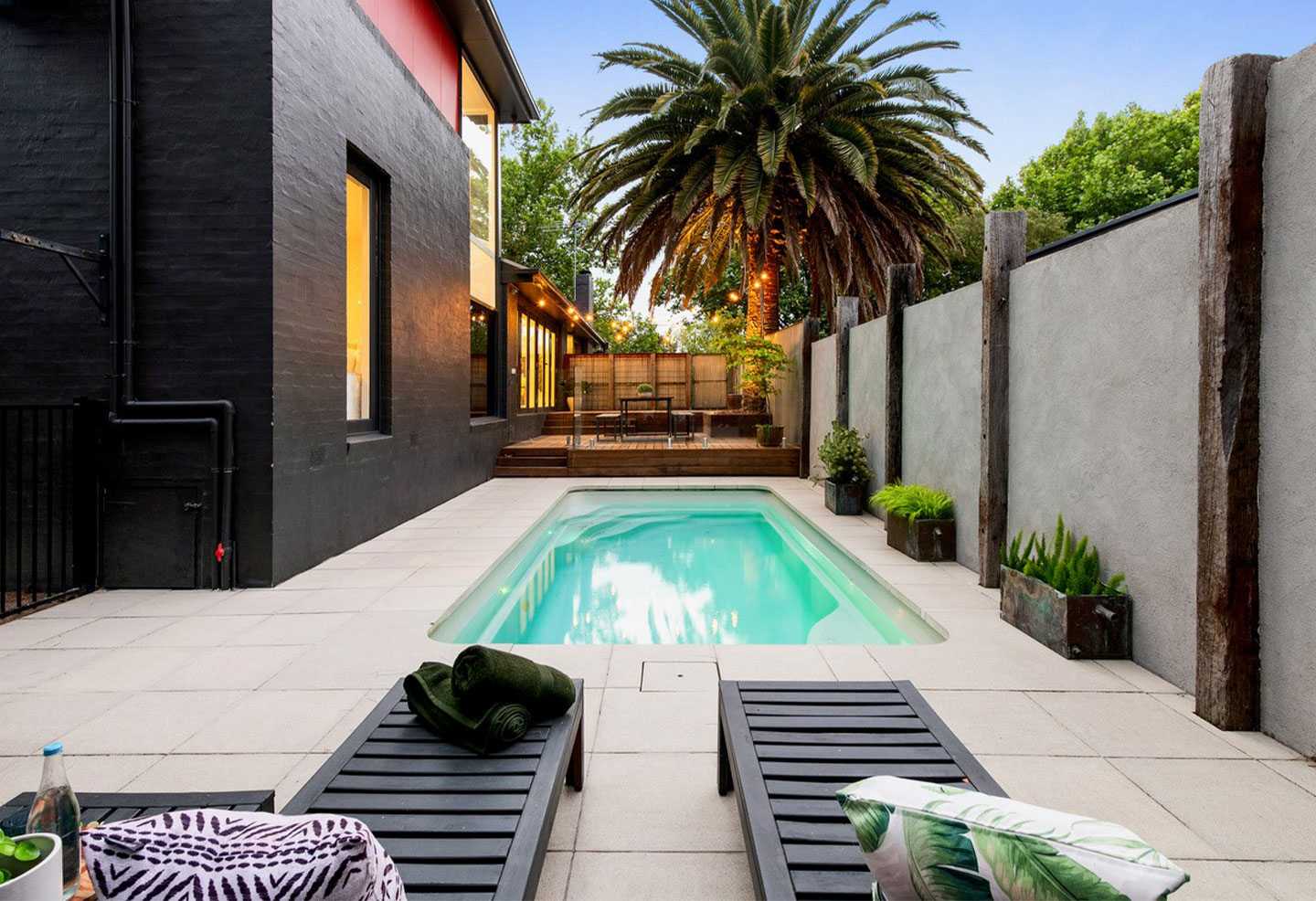
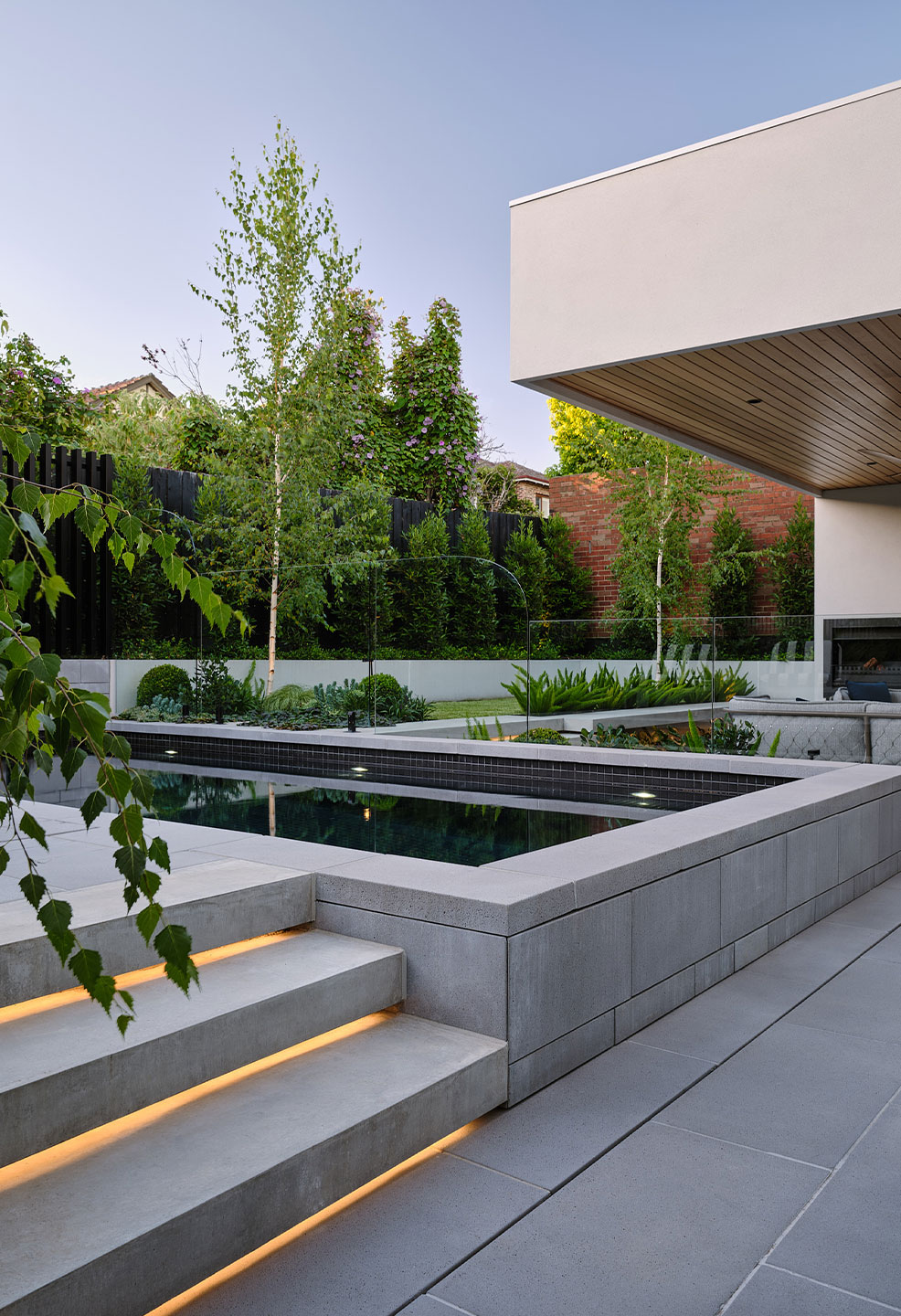
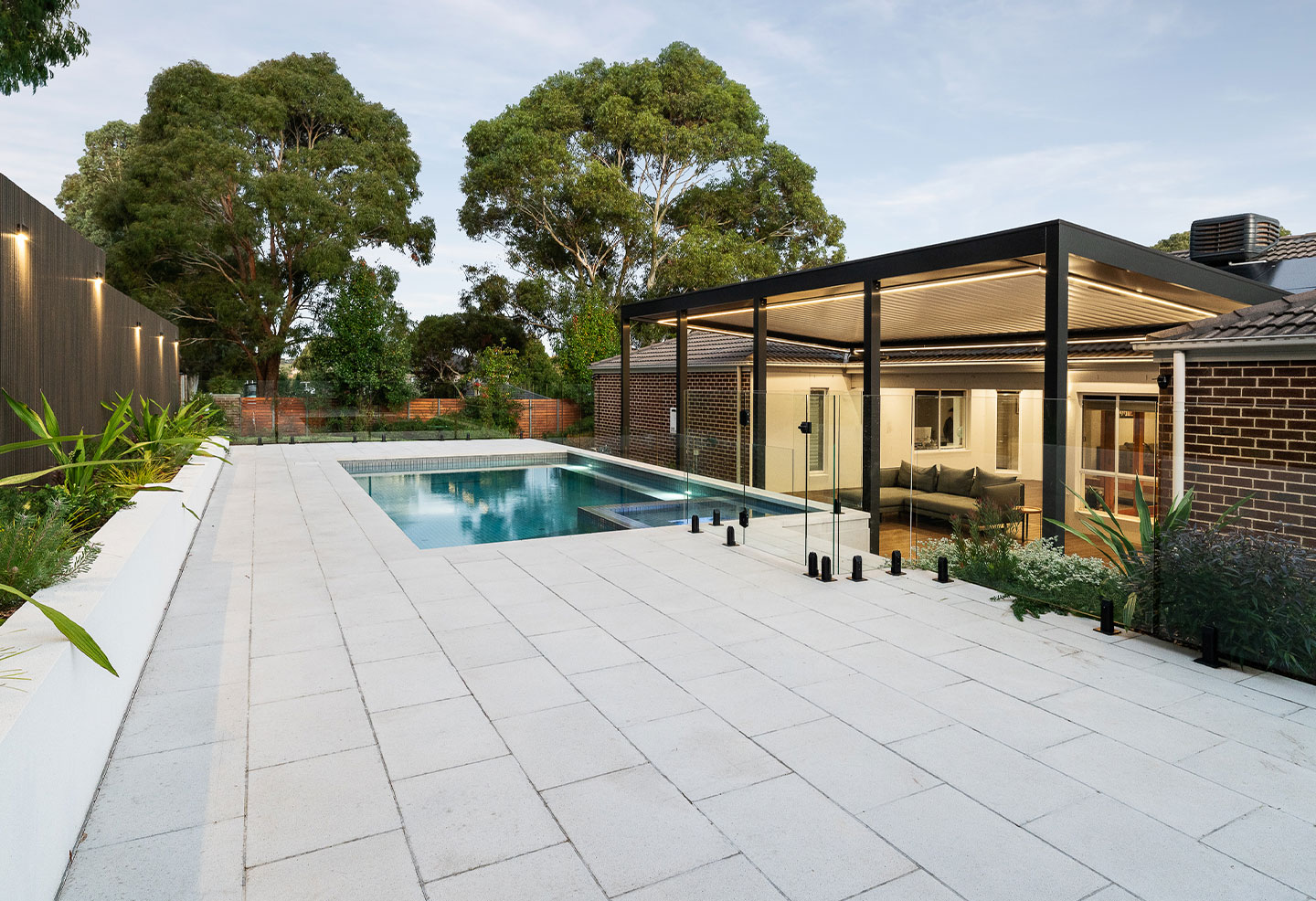
Choosing poolside paving requires balancing long-term durability with safety and style. As a leading Australian concrete products manufacturer, Anston provides elegant, non-slip concrete pool pavers designed to withstand constant exposure to water, UV radiation, and pool chemicals. Our versatile collection of pool pavers offers reliable surfacing solutions for residential and commercial poolscapes.
MODERN POOL PAVING DESIGNS TO ELEVATE YOUR SPACE
When designing a new pool area, it’s highly recommended to plan your pool coping tiles and poolside paving before finalising your pool build. Many pool contractors bundle specific coping styles into their standard packages, which limits your design freedom. Selecting your swimming pool pavers independently allows you to achieve a cohesive, tailored finish that reflects your personal tastes.
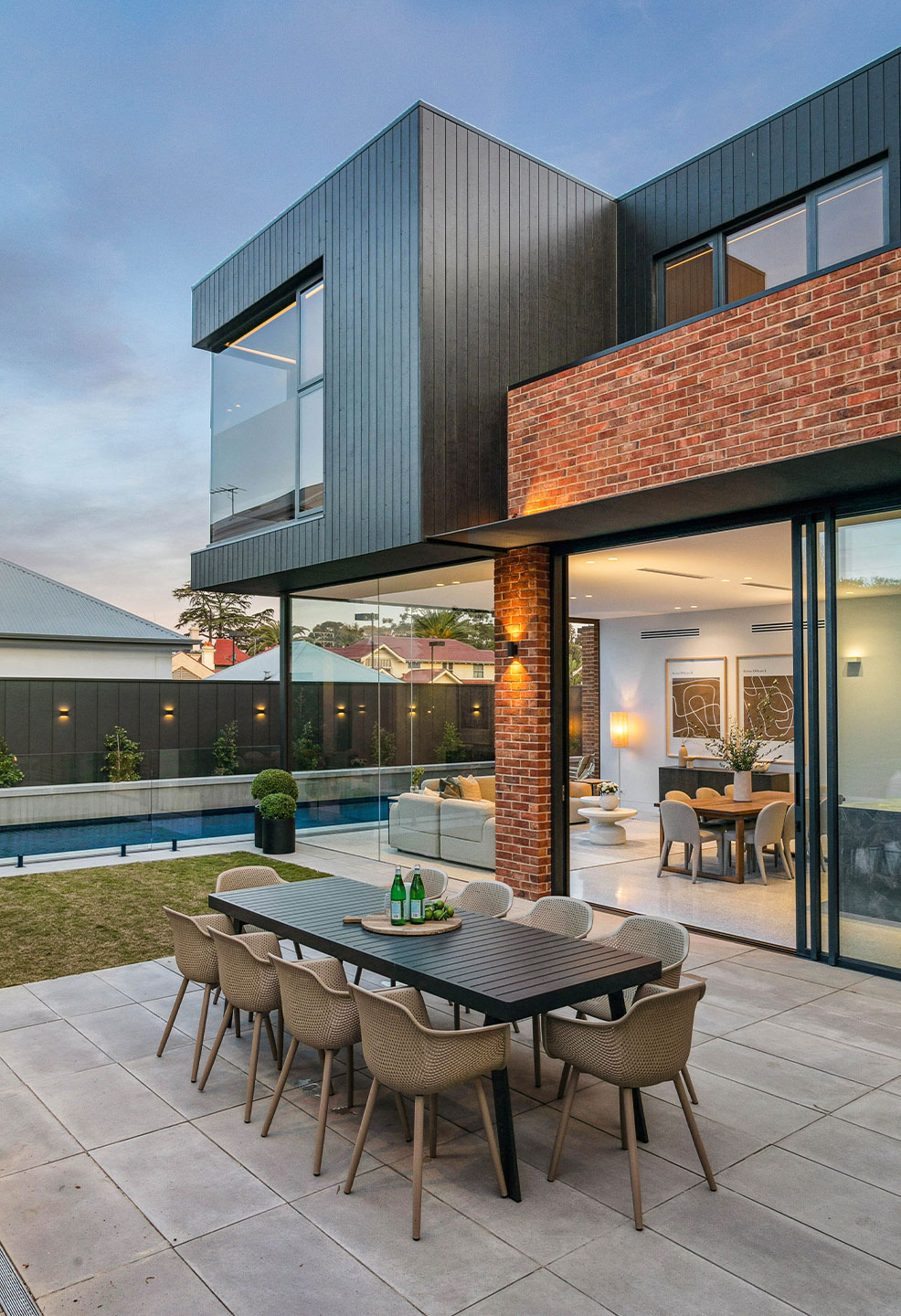
Our outdoor paving range includes large-format pool pavers and large-format slabs that fill large spaces with ease. To build an integrated outdoor entertainment space, these paving layouts can be seamlessly paired with matching architectural elements, such as our precast concrete bench seats or modular concrete seats and stools, to craft functional lounging zones right next to the water.
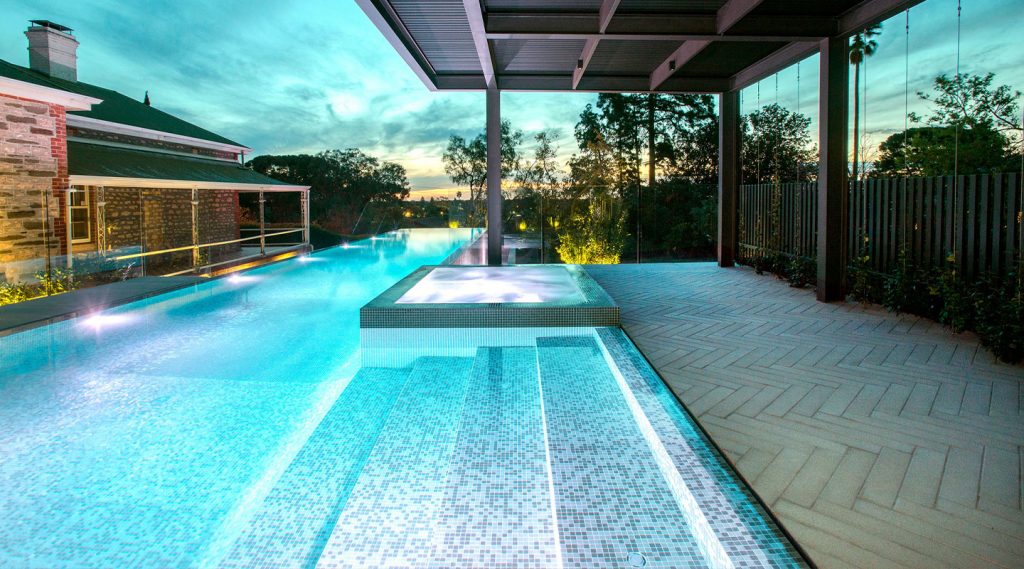
Anston’s standard and custom ranges offer the variety and quality we need to be able to design and construct unique and cutting-edge pools and outdoor spaces.
Anthony Scaffidi, Elite Pools and Landscapes
PICKING THE RIGHT OUTDOOR POOL PAVERS
Flooring materials installed directly next to water must perform under harsh environmental conditions. There are several key functional features to consider:
- Slip Resistance: Pool surroundings are often wet, making surface texture a critical safety factor for adequate slip resistance. Completely smooth surfaces pose an immediate slipping hazard, while excessively rough textures can be uncomfortable for bare feet. Anston’s textured, non-slip pool pavers are the perfect in-between, providing an optimal, secure grip without compromising comfort.
- Salt Resistance: Splashing from modern saltwater pools can cause severe damage to sub-standard materials over time. Accumulation of salt often leads to surface pitting, erosion, cracking, or eventual structural breakdown. Investing in salt-resistant pool pavers prevents chemical degradation, making them the best pavers for saltwater pools.
- Thermal Performance: Darker or highly dense materials, i.e. bluestone, can trap solar radiation, making the ground uncomfortably hot during summer. Utilising light-coloured, cool-to-touch pavers ensures the surrounding pavement remains comfortable to walk on barefoot, even on the hottest days.
For any concrete products that are in frequent, direct contact with moisture, salt spray, or pool sanitation chemicals — such as the coping course and paving surrounding a swimming pool — we highly recommend applying a high-quality penetrating sealer. Sealing safeguards the material against organic stains, minimises chemical etching, and simplifies long-term maintenance, keeping your poolside terrace in top condition.
Pool Pavers Gallery
THE DIFFERENCE BETWEEN POOL COPING AND PAVING
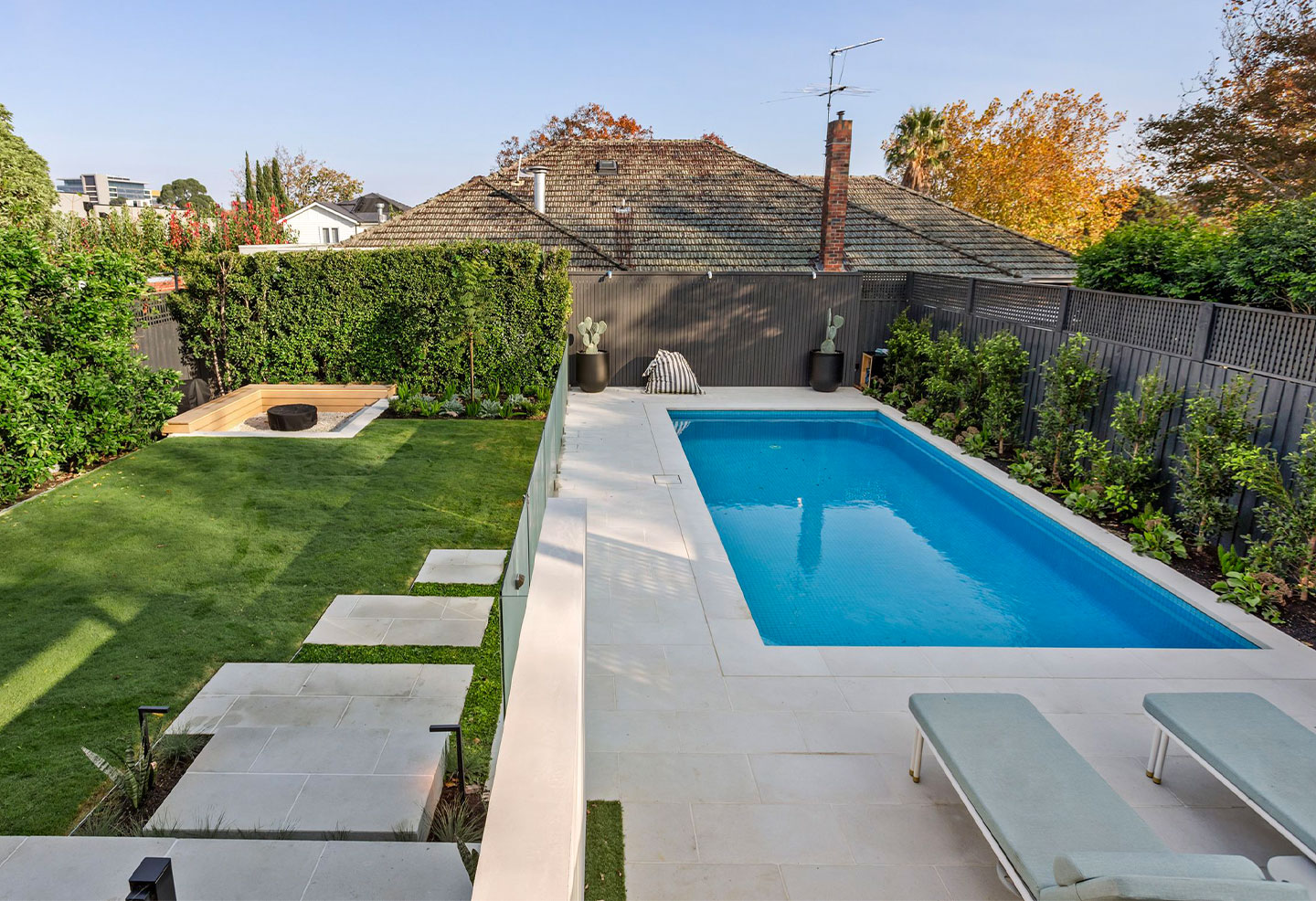
Pool coping refers to the capping or edging material placed directly onto the rim of the swimming pool shell, and is often measured in lineal metres. Coping acts as a protective shield that diverts water away from the pool edge, preventing water from seeping behind the concrete shell and causing structural shifts or cracking. It also provides a smooth corner transition that eliminates sharp edges, offering a safe, comfortable point for swimmers to hold or sit.
Pool paving covers the broader surface area surrounding the perimeter coping, and is measured in square metres. Its main purpose is to establish a stable, durable, and low-maintenance poolside paving footprint for walking, lounging, and entertaining.
Pool Pavers FAQs
What is the best material for pool pavers in Australia?
Manufactured concrete is widely regarded as an excellent option for durable pool paving. It delivers predictable slip ratings, high structural density, and resistance to environmental wear, making it a staple for low-maintenance poolside paving.
Why choose concrete pool pavers over natural stone?
Natural stone options — such as travertine, bluestone, granite, and limestone — offer a classic look and varying levels of slip resistance, though certain stones can be prone to chemical pitting or quality variations. In contrast, architectural pool pavers made from concrete provide a highly versatile and uniform alternative. When deciding between concrete pavers and natural stone for pools, note that concrete offers a broader range of consistent colours, precise sizing, and controlled surface textures, providing a modern, low-maintenance solution that withstands pool chemicals without unexpected structural variations.
Can I match my pavers to my pool coping?
Yes. Achieving a clean, seamless boundary will make a huge difference to your environment. Anston ensures that our luxury poolside paving can be paired with a matching pool coping option to ensure a professional finish. Reach out to us for more pool paving ideas for Australian backyards.
Do I need to seal my pool pavers?
Need Custom Pool Pavers?
Looking for a specific size, shape or colour that isn’t listed here?
The Anston team can help – we’re experts at delivering bespoke paving solutions thanks to our many decades of experience.
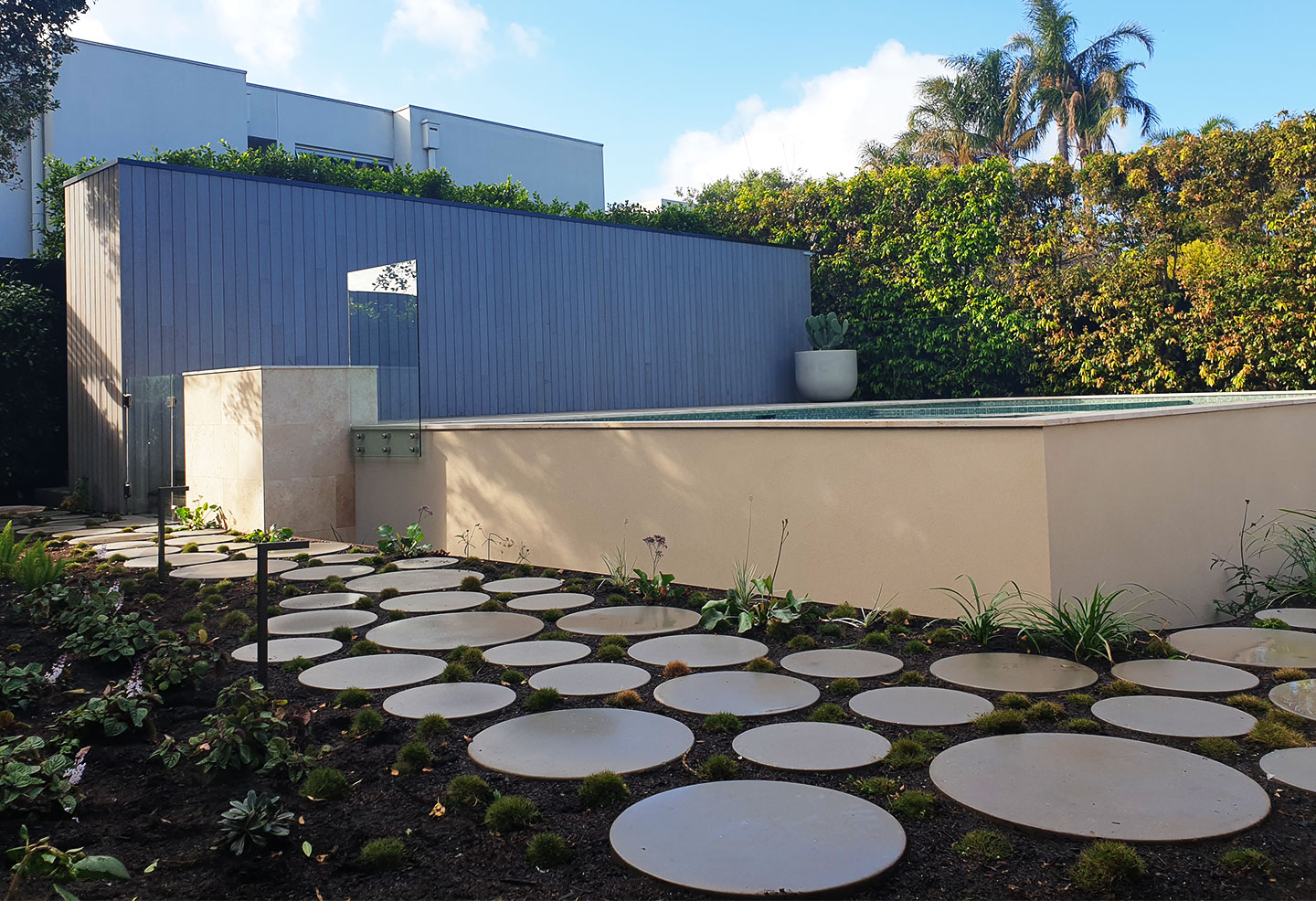
Anston’s in-house mould-making technology allows us to create uniquely sized or shaped pavers for special pool applications, maintaining control over the entire manufacturing process to ensure excellent results.